+20%
Hybrid-casual is the only real growth
Mobile gaming was flat in 2025: purchases up 1.3%, downloads down 7%. Hybrid-casual games (simple to play, deeper to spend in) grew purchases 20% to $4.2B.
Sensor Tower, State of Gaming 2026
Three iPhone games set in a mad scientist's lab. All three are built to be chill, hard to put down, and able to make money. I researched the market and designed each one, then built a playable piece of each so you can feel it instead of reading about it.
Build Frankenmerge. You put any two things on the lab table, pull the lever, and meet a creature nobody on Earth has made before. The first person to discover it gets their name on it forever.
It takes the most viral mechanic of the last two years (combining things to discover new things) and fixes what the others miss: you can see what you made, keep it, and share it. It also sits right on your lanes. Every creature is AI-generated art, every discovery is a piece of content, and the world has room for story. The other two ideas aren't losers. They're parts of the pick: FIZZ gives it the squishy, satisfying feel, and Night Shift turns into its long-term home base.
I sent two research runs out before designing anything. One went through the mobile market, the other through every science, alchemy, and creature game worth knowing. Here's what shaped the pitch.
Mobile gaming was flat in 2025: purchases up 1.3%, downloads down 7%. Hybrid-casual games (simple to play, deeper to spend in) grew purchases 20% to $4.2B.
Sensor Tower, State of Gaming 2026Merge games grew 80% to $1.4B in 2025, the fastest-growing big mechanic in casual. Travel Town alone jumped 231% in a year.
AppMagic via Mobidictum · NaavikIt was the #3 most-searched game of 2024, and it's text on a white screen. The app barely monetizes, and its creator says costs were the hardest part. Nobody has turned it into a business.
Wikipedia · SpeedrunPeople share creatures, not words. Spore players uploaded 25M creations in three weeks. My Singing Monsters built CAD 100M+ on collecting and breeding.
GamesBeat · Corum GroupPlayers come back 3.8 times a day. A loop has to pay off inside three minutes, and a lever pull pays off in two seconds.
GameAnalytics 2026 benchmarksPaid players aren't cheap, so the game has to recruit its own. Creator-style ads raise install conversion 152%, and ads now have to show the real game.
Liftoff 2025 · MotionPut it together: the money is in combining things, and the sharing is in creatures. Nobody has put both in one game with a real economy behind it. That's the gap the pick is aimed at. The theme is open too. I couldn't find a single top-grossing mad scientist game, and the closest things are low-budget idle lab clones.

Idea one. The fast, proven bet.
Working title
A physics merge game inside a lab flask. Drop goo in, and when two of the same touch they fuse into something bigger and weirder. Keep fusing up the ladder and don't let the flask overflow.

Score 0
This is playable. Tap or click to drop goo, and two of the same fuse into the next size up.
A run lasts 3 to 6 minutes. There's no timer and no fail screen until the flask spills, so it stays calm the whole way.
Ads between runs, capped so they never feel greedy. Rewarded ads for "undo last drop" and "one more chance." A one-time Remove Ads purchase at $3.99, plus flask and goo skin packs from $1.99 to $4.99. Most of the money comes from volume, not from each player.
Suika clones are everywhere. We'd be competing on feel and polish alone, with nothing only we can do. The ceiling on revenue per player is low and the category is easy to copy back. It's a good first ship, but a hard thing to own.
Idea two. The breakout swing, and my pick.
Working title. My first pick was It's Alive!, but an existing board game with an iOS version already owns it, so "It's alive!" becomes the line that pops on every reveal.
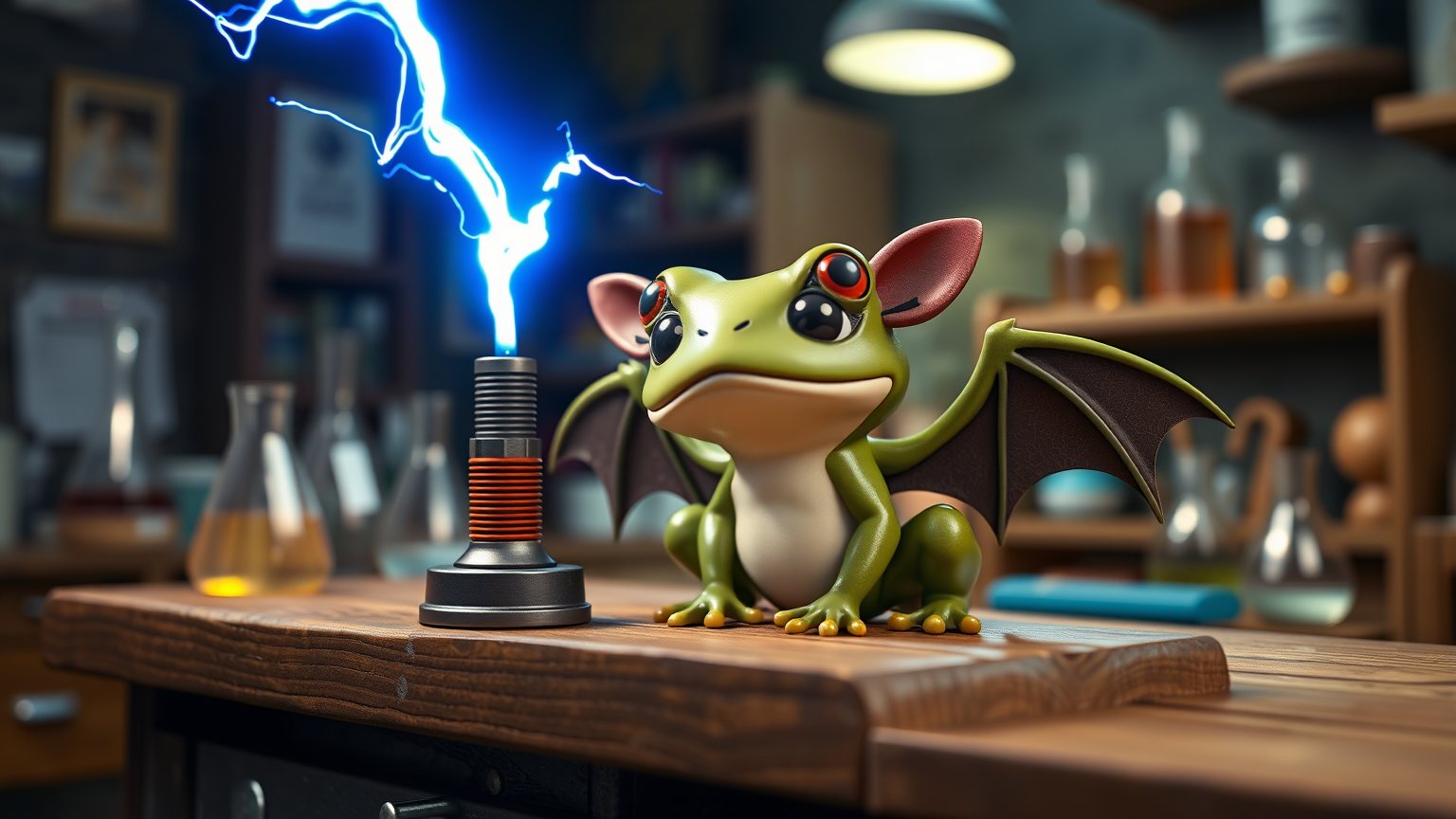
Put any two things on the lab table and pull the lever. What climbs out is a creature that gets generated the first time anyone makes it. If you're first, it carries your name forever. Every creature is also a new ingredient, so the tree never ends.
This is playable. The real game has hundreds of starting specimens, and everything you make becomes an ingredient too.
The lever pull is a surprise every time and it costs nothing but a volt. It's the same pull as opening a card pack, without the pay-to-play.
Players never type prompts. They can only combine things that already exist, so the whole creature tree stays closed and moderated. Each combination is generated exactly once, the first time anyone makes it. It goes through a safety check, gets saved, and every player after that gets it instantly for free. Before launch, we pre-generate the first several thousand creatures on your 5090 at zero cost. After launch, a brand-new discovery costs about half a cent.
The chunky toy look isn't just taste. A soft, handmade style hides the small flaws AI art makes, which keeps thousands of creatures looking like they came from one world. Studio Atelico's Bobium Brawlers already generates creatures on iPhones, so the tech works. It's a card battler, so the cozy discovery lane is still open.
Free to play. Rewarded ads refill volts. A Lab Pass at $4.99 a month gets you unlimited volts, exclusive lab themes, and early access to seasonal ingredients. Seasonal ingredient packs (Halloween, Deep Sea, Outer Space) run $1.99 to $2.99, and there's cosmetic lab decor too. Past the app, the best community creatures become vinyl drops, animated shorts, and a content engine for @trademarq_.
Art drifting off-style: we fix that with a locked style bible and one fixed model setup. AI costs spiking: caching plus the volt cap puts a hard ceiling on spend. App Store review of AI content: the closed ingredient system, the safety filter, and a report button cover it. The honest risk is that discovery games can burn bright and fade. That's why the Daily Formula, seasons, and the Menagerie exist. They're the retention layer that Infinite Craft never had.
Idea three. The long game.
Working title
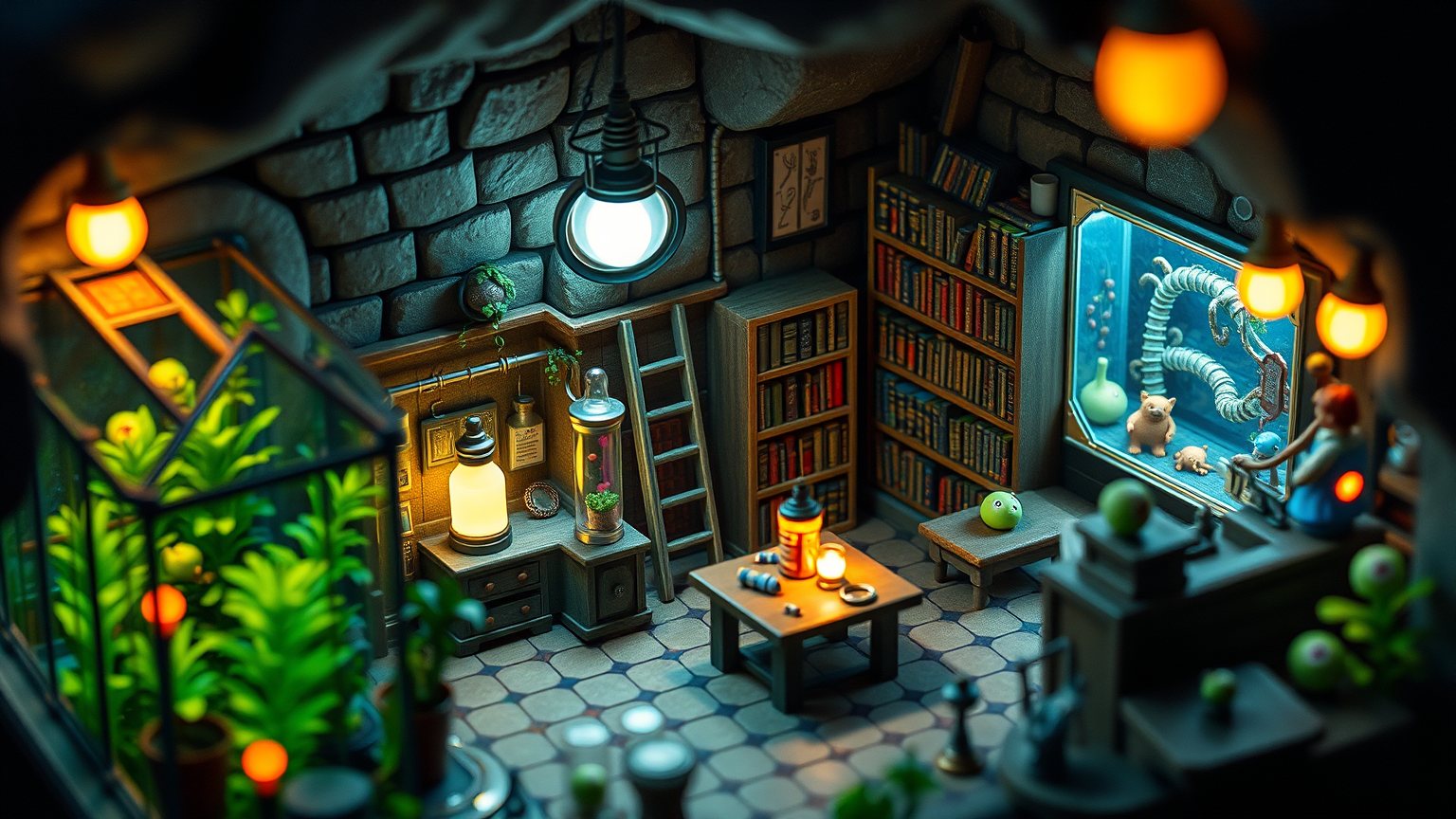
You inherit your great-aunt's hidden lab under the family house. Start an experiment before bed, then wake up and see what came alive overnight. It's a cozy lab to tend, a small crew of creatures to care for, and a family mystery told one journal entry at a time.
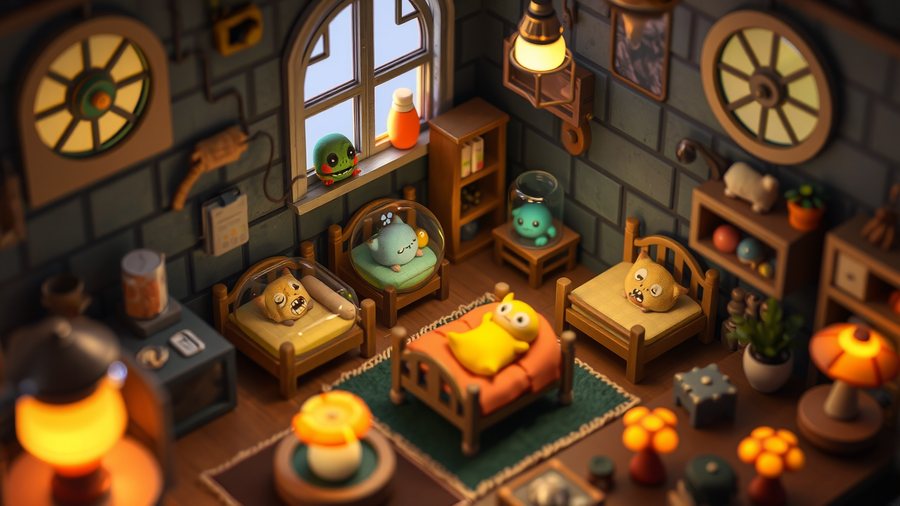
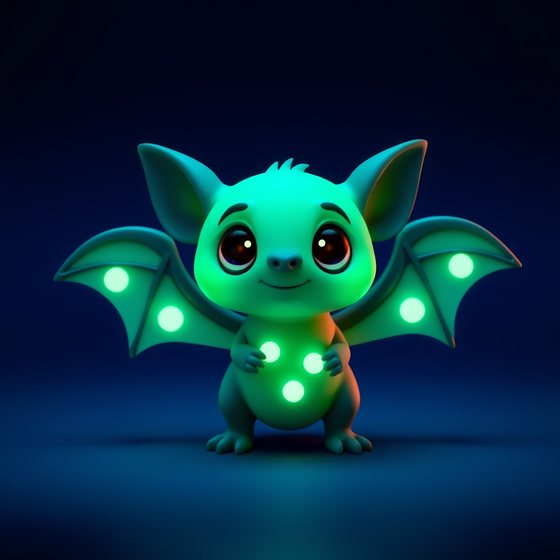

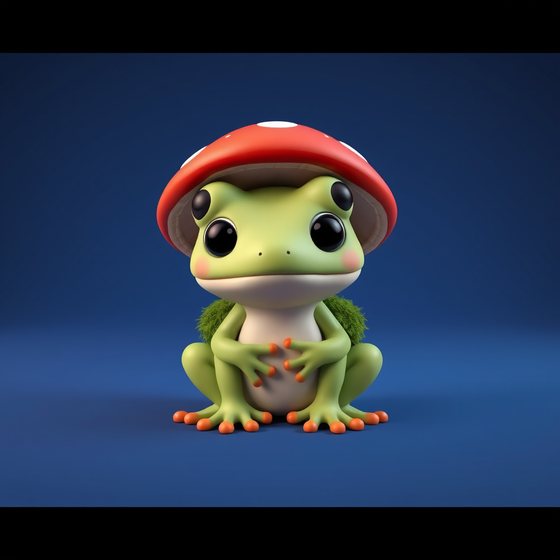
A live mockup. The timers are running, and the notification is the whole game: a reason to open the app tomorrow.
Sessions run 2 to 5 minutes, several times a day. It's built around your routine, not your free time.


Speed-ups, room and decor bundles, creature cosmetics, and rewarded ads for double output. A $4.99 season pass unlocks each story season. This one makes the most per player of the three, because people who care about their lab pay to make it theirs.
It's the slowest to build and needs the most content, and every week of story is a week of writing. Big studios with big ad budgets own the idle and tycoon category, and quiet games don't spread on their own. Great as a second act. Risky as a first one.
| FIZZ | Frankenmerge | Night Shift | |
|---|---|---|---|
| Time to launch | 4 to 6 weeks | 8 to 10 weeks | 4 to 6 months |
| Cash to launch | Under $1,500 | $2,000 to $3,500 | $4,000 to $8,000 |
| Viral ceiling | Proven, crowded | Every creature is a post | Quiet by nature |
| Retention | Strong first week, fades | Daily Formula + seasons | Built for months |
| Money per player | Ads, low | Pass + packs + ads | Highest |
| Only we can do it | No, it's a clone genre | AI art pipeline + your eye | Your storytelling |
| Life beyond the app | Skins | Toys, shorts, a creature IP | A series |
This is the one where every player makes something, and everything they make is content.
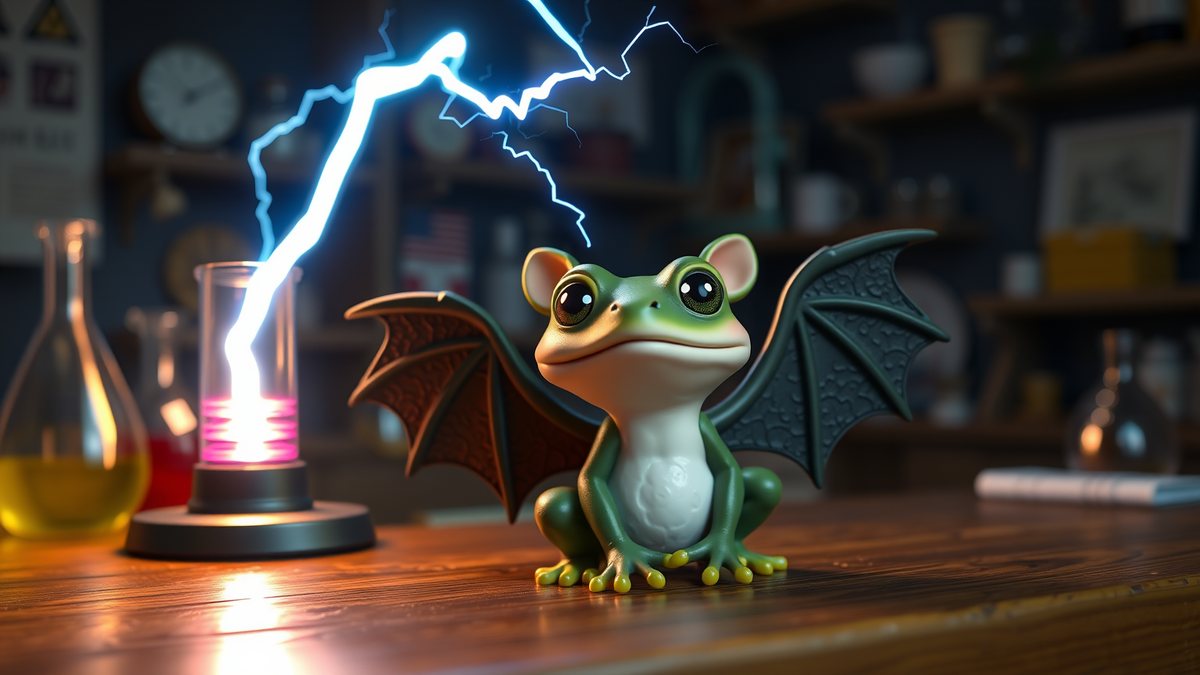
Web first, then iPhone. We prove the fun where it's free to test, then pay Apple's toll once the numbers say it's worth it. Every phase ends at a gate: hit the number or fix it before moving on.
I build it. You direct it: the look, the name, the trailer, and the voice. No studio and no payroll.
These are gross numbers. Hybrid-casual games average $0.15 to $0.50 per daily player per day, and I used the low end on purpose. Apple keeps 15% of purchases under its Small Business Program. AI costs stay at a few percent of revenue because each creature is only ever generated once. For scale: Pixel Flow went from launch to $105M in about ten months, and Scopely bought a majority of the studio behind it at a valuation above $1B.
Four decisions and I start building. The web lab can be up in two to three weeks from your yes.